
Understanding the Difference: Mild-Hybrid vs. Plug-in Hybrid
As electrification evolves across the automotive industry, Mercedes-Benz offers a range of hybrid technologies to suit different driving needs. Two of the most common are Mild-Hybrid and Plug-in Hybrid (PHEV) systems. While both improve efficiency and performance, they function in distinctly different ways.
Mild-Hybrid Technology
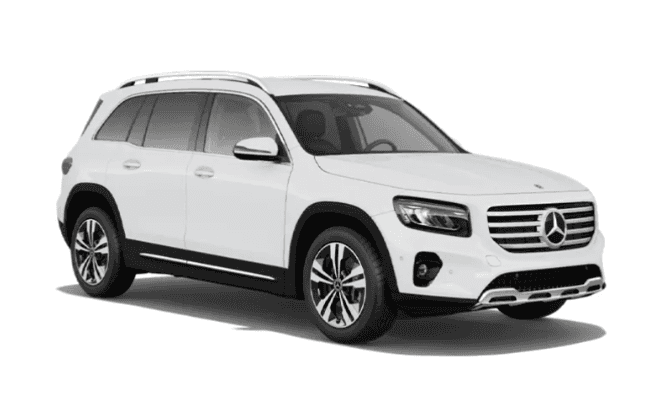
A Mild-Hybrid system incorporates a small electric motor to support the gasoline engine. This motor assists during acceleration and powers features such as the start/stop system, improving overall efficiency and smoothness.
- Charging: No external charging is required. The system recharges itself through regenerative braking.
- Electric Range: Mild-hybrids do not drive on electric power alone; the motor enhances fuel economy and performance but does not replace the engine.
- Ideal For: Drivers seeking improved efficiency without changing daily habits — particularly those who prefer not to plug in.
- Cost: Generally more accessible in terms of starting price than plug-in hybrids.
Plug-in Hybrid (PHEV) Technology
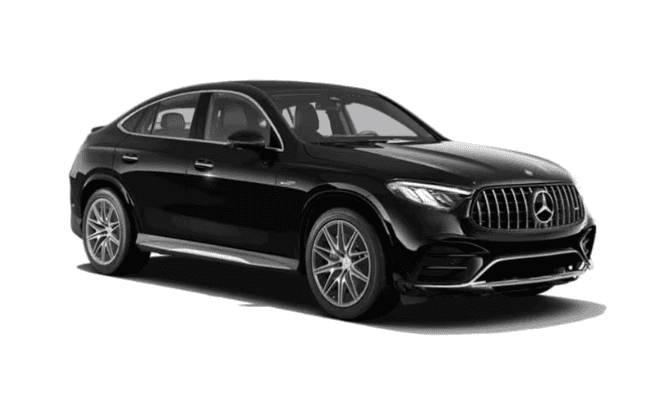
A Plug-in Hybrid system features a larger battery and a more powerful electric motor, allowing the vehicle to drive on electric power alone for a limited distance before the gasoline engine engages.
- Charging: Requires external charging via a home outlet or public station.
- Electric Range: Most models offer 30–50 miles of electric driving, ideal for short commutes or local trips.
- Ideal For: Daily drivers who can charge at home or work and want the flexibility of both electric and gasoline power.
- Cost: Typically higher in price due to the larger battery and dual-power system.
Mild-Hybrid systems offer no all-electric driving range and are charged automatically through regenerative braking, so external charging is not required. They enhance the gasoline engine’s performance and efficiency, delivering a traditional driving experience with improved fuel economy. Mild-Hybrids are ideal for drivers who prioritize convenience and do not want the responsibility of plugging in their vehicle. Additionally, they generally come with a lower starting price compared to plug-in hybrids.
Plug-in Hybrid (PHEV) systems, on the other hand, feature a larger battery and more powerful electric motor, allowing for an electric-only driving range typically between 30 to 50 miles. These vehicles must be charged externally via home or public charging stations. PHEVs offer the flexibility of electric driving for daily commutes while maintaining gasoline power for longer trips, reducing range anxiety. They are best suited for commuters who have regular access to charging and are willing to invest in a higher-priced vehicle due to the added components and capabilities.
630 Middle Country Rd, St James, NY 11780
(877) 862-7343
0 comment(s) so far on Understanding the Difference: Mild-Hybrid vs. Plug-in Hybrid